
Disc Injury

Disc Injury & Herniated Disc Care.

The force of a car accident can damage the discs in your neck or back. Disc injuries can cause pain, weakness, and nerve symptoms that need careful evaluation and treatment.

  • Detailed exam of nerve and disc-related symptoms
  • Imaging referral coordination when needed
  • Conservative care plans first whenever possible
  • Specialist coordination if surgery is being considered
  • Clear documentation throughout your care

By submitting, you agree to be contacted about your appointment. We respect your privacy.

Common symptoms

Symptoms can show up right away or develop days later. If you notice any of these, get evaluated.

  • Sharp or burning back or neck pain
  • Pain radiating into the arm or leg
  • Numbness or tingling
  • Muscle weakness
  • Pain with coughing, sneezing, or bending

How we treat it

Treatment plans are personalized. Here are common approaches we use for this type of injury.

  • Spinal decompression-style techniques
  • Targeted manual therapy
  • Rehab to support the spine
  • Imaging and specialist coordination
  • Activity and lifting guidance

Why early evaluation matters

Disc injuries can worsen without proper care. Early evaluation helps us catch warning signs and choose the right next step.

People Also Ask

Questions patients ask us most.

Can a car accident cause a herniated disc?

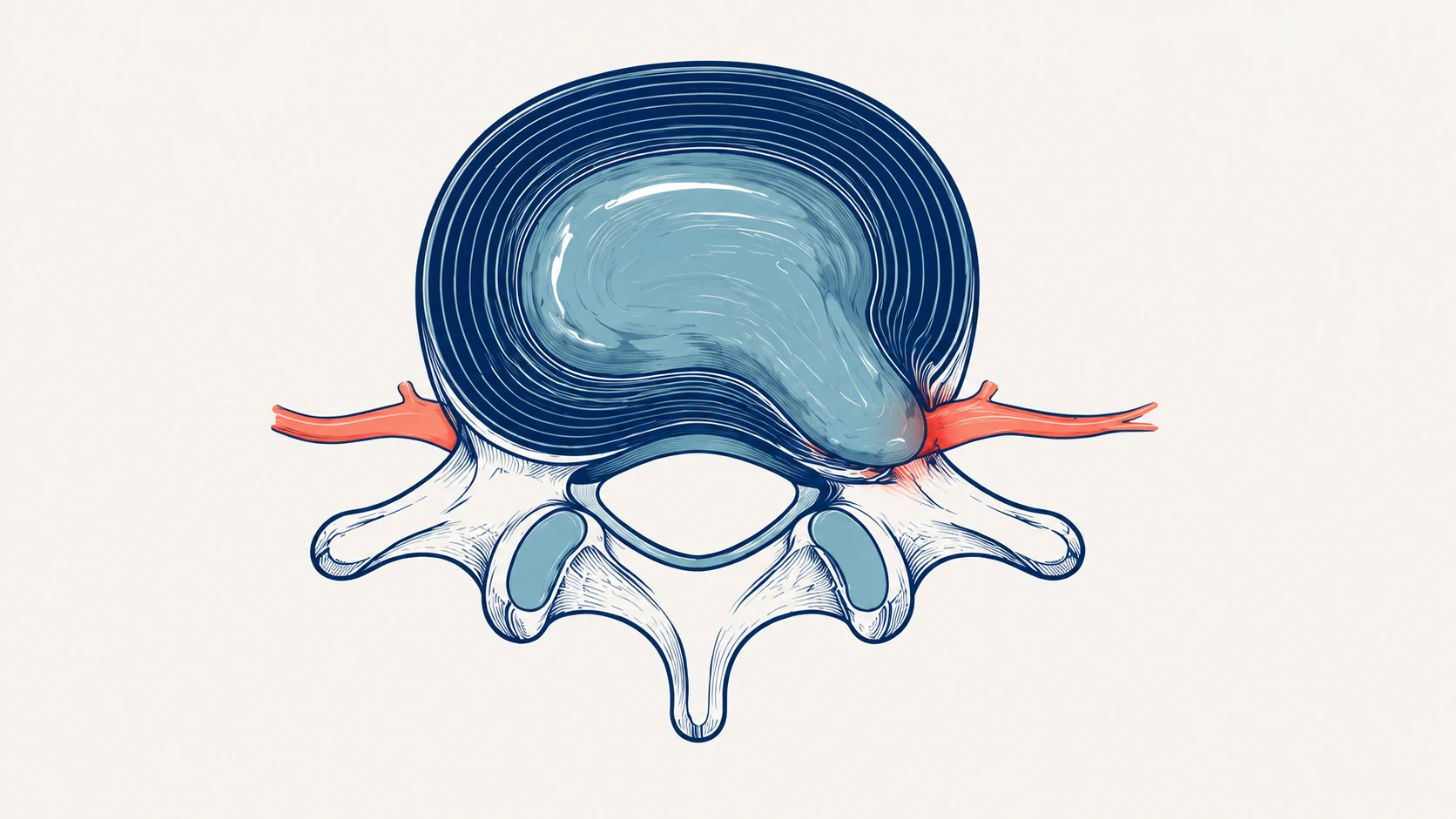
Yes. The sudden compression, flexion, and rotational force of a car accident is a leading cause of acute disc herniation, especially in the lower back (L4-L5, L5-S1) and lower neck (C5-C6, C6-C7). The crash forces a portion of the disc's soft inner material to bulge or rupture through its outer ring, which can press on nearby spinal nerves and create radiating pain, numbness, or weakness.

What are the symptoms of a herniated disc after a car accident?

Herniated disc symptoms include sharp pain that radiates down one arm or leg, numbness or tingling in a specific finger or toe pattern, muscle weakness in a limb, pain that worsens with sitting, sneezing, or coughing, and relief when lying down. Lumbar herniations often cause sciatica; cervical herniations cause arm pain. Symptoms usually appear within days of the accident.

Can a chiropractor treat a herniated disc from a car accident?

Yes. Most herniated discs respond well to conservative chiropractic care, spinal decompression, gentle adjustments away from the involved level, targeted soft-tissue work, and progressive core rehab. Studies show roughly 90 percent of disc herniations improve without surgery when treated early. Surgery is reserved for cases with progressive neurological loss or symptoms that do not respond after 6 to 12 weeks of conservative care.

Do I need an MRI to diagnose a herniated disc after an accident?

An MRI is the gold standard for confirming a disc herniation, but it is not always needed up front. Your chiropractor diagnoses suspected disc injury through orthopedic and neurological testing, straight leg raise, dermatome and reflex checks, and dural tension tests, and refers for MRI when findings, severity, or lack of progress justify imaging. Imaging is also commonly ordered to support a personal injury claim.

FAQ

Frequently Asked Questions

Quick answers about accident care, documentation, and what happens after you call.

Free Download

The Muskingum County Accident Recovery Guide

What to do in the first 72 hours, the 3 AI prompts every accident victim should ask, and the questions to ask before you sign anything. Free, no spam.

Were you hurt in a car accident?

Get evaluated quickly. Get clear documentation. Start treatment today.