
Shoulder Injuries

Shoulder Injury After a Car Accident

The seatbelt that protects your chest in a crash often takes a toll on the shoulder underneath it. Rotator cuff strain, AC joint sprain, and labral irritation are common, and almost always treatable with focused conservative care.

  • Shoulder-specific orthopedic exam
  • Differentiation between rotator cuff, AC joint, and referred neck pain
  • Manual therapy, mobilization, and progressive rehab
  • Documentation tied to the accident
  • Imaging or orthopedic referral when warranted

Please do not submit any protected health information (PHI) in this form.

By submitting, you agree to be contacted about your appointment. We respect your privacy.

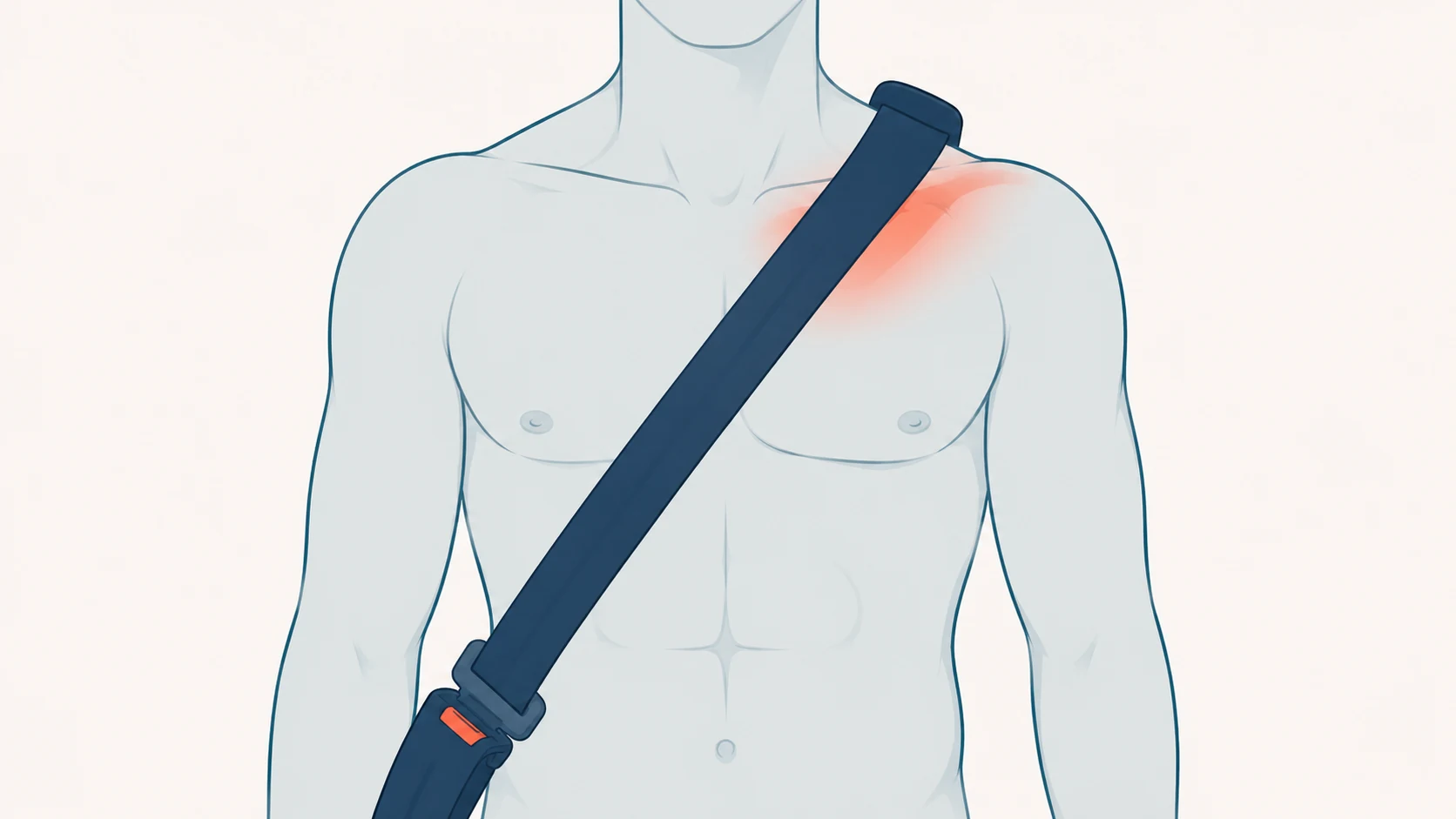
Illustration of a torso with a seatbelt and shoulder injury

The seatbelt that saved your chest often takes a toll on the shoulder underneath it.

Rotator cuff strain, AC joint sprain, deep aching pain at night, weakness reaching overhead. These are common after a crash and almost always treatable with focused conservative care. Call (740) 453-2900.

Common symptoms

Symptoms can show up right away or develop days later. If you notice any of these, get evaluated.

  • Pain along the seatbelt path on the shoulder and collarbone
  • Aching deep in the shoulder that worsens at night
  • Weakness lifting the arm or reaching overhead
  • Pinching pain reaching behind your back
  • Clicking, catching, or limited range of motion

How we treat it

Treatment plans are personalized. Here are common approaches we use for shoulder injuries.
  • Rotator cuff and AC joint testing
  • Joint mobilization and soft-tissue therapy
  • Progressive rotator cuff and scapular rehab
  • Cervical spine evaluation for referred pain
  • MRI or orthopedic referral when indicated

High-energy impacts like a car crash are a common cause of more serious shoulder injuries. The American Academy of Orthopaedic Surgeons covers the range of shoulder injuries here.

Why early evaluation matters

Shoulder injuries that are not evaluated early often become frozen shoulder or chronic impingement. Early auto accident chiropractic care restores motion and prevents long-term loss of function. For more on what causes this and what helps it heal, read our full guide to shoulder pain after a car accident. If your shoulder pain is wear-and-tear rather than crash-related, the same exam and rehab approach is covered on our general joint and posture care page.
People Also Ask

Questions patients ask us most

Can a seatbelt cause a shoulder injury in a car accident?

Yes. The seatbelt is the most common cause of shoulder injury in a frontal car accident. The diagonal restraint loads the shoulder, collarbone, and AC joint with hundreds of pounds of force during impact, frequently causing AC joint sprains, clavicle contusion, rotator cuff strain, and soft-tissue bruising along the seatbelt path. The injury is real even when no fracture appears on X-ray.

What are the symptoms of a rotator cuff injury after a car accident?

Rotator cuff injury symptoms include deep aching shoulder pain that often wakes you at night, weakness lifting the arm overhead or out to the side, pinching pain with reaching behind your back, clicking or catching with rotation, and limited range of motion. Symptoms can appear immediately or develop over the first 1 to 2 weeks after the crash.

How long does shoulder pain last after a car accident?

Mild seatbelt and soft-tissue shoulder injuries usually resolve in 3 to 6 weeks. Rotator cuff strains and AC joint sprains typically take 6 to 12 weeks of progressive rehab. Full-thickness rotator cuff tears can require 4 to 6 months of structured care and may need surgical consultation if function does not return.

Should I see a chiropractor for shoulder pain after a car accident?

Yes, a chiropractor who treats accident injuries can evaluate the shoulder, rule out referred pain from the neck (a very common overlap after a crash), and treat most rotator cuff strains and AC joint sprains with joint mobilization, soft-tissue therapy, and progressive rehab. If the exam points to a full-thickness tear or labral injury, you will be referred for MRI and orthopedic consultation.

FAQ

Frequently Asked Questions

Quick answers about accident care, documentation, and what happens after you call.

Is my shoulder pain coming from the shoulder or from my neck?

Both are common after a crash, and the symptoms can overlap. Pain that worsens with neck movement, tingling down the arm, or pain along the shoulder blade often points to a cervical source. Pain with specific arm motions, weakness, or night pain points to a true shoulder injury. The exam separates the two.

Should I sleep with a sling or pillow for shoulder pain?

A small pillow under the involved arm while side-sleeping (with the injured shoulder up) offloads the rotator cuff at night. A sling is only used for specific diagnoses like AC joint separation or acute rotator cuff tear, and only as long as needed.

When should I worry that I have a torn rotator cuff?

Suspect a full-thickness tear when you can't lift your arm against gravity, have sudden severe weakness, hear a pop at the time of injury, or have shoulder pain that doesn't improve at all after 4 to 6 weeks of care. Those cases get an MRI and orthopedic referral.

Can I return to the gym with a post-accident shoulder injury?

Light lower-body and core work usually continues from day one. Pressing, overhead lifting, and heavy pulling are restricted until pain-free range of motion and basic strength are restored, typically 4 to 8 weeks depending on severity.

Why does my shoulder hurt after a car accident?

The seatbelt and the force of the impact can strain or injure the shoulder. "Seatbelt shoulder," pain and bruising across the shoulder and collarbone, is common, and so is pain from bracing the arm against the wheel.

Why can't I lift my arm after a crash?

Pain or weakness lifting the arm after an accident can come from a shoulder or rotator-cuff strain, or from a neck injury referring pain into the shoulder. It is worth getting evaluated.

My shoulder pain started a few days after the accident. Is that normal?

Yes. Like other soft-tissue injuries, shoulder pain can be masked by adrenaline at the scene and show up or worsen over the following days.

Free Guide

The Muskingum County Accident Recovery Guide

What to do in the first 72 hours, the 3 AI prompts every accident victim should ask, and the questions to ask before you sign anything. Free, no spam.

Related injuries we treat: neck pain, back pain, and chest and rib pain. We see accident patients from Zanesville, Dresden, New Concord, and South Zanesville. Same-day appointments and walk-ins welcome.

New to these terms? See our personal injury glossary.

Were you hurt in a car accident?

Get evaluated quickly. Get clear documentation. Start treatment today.