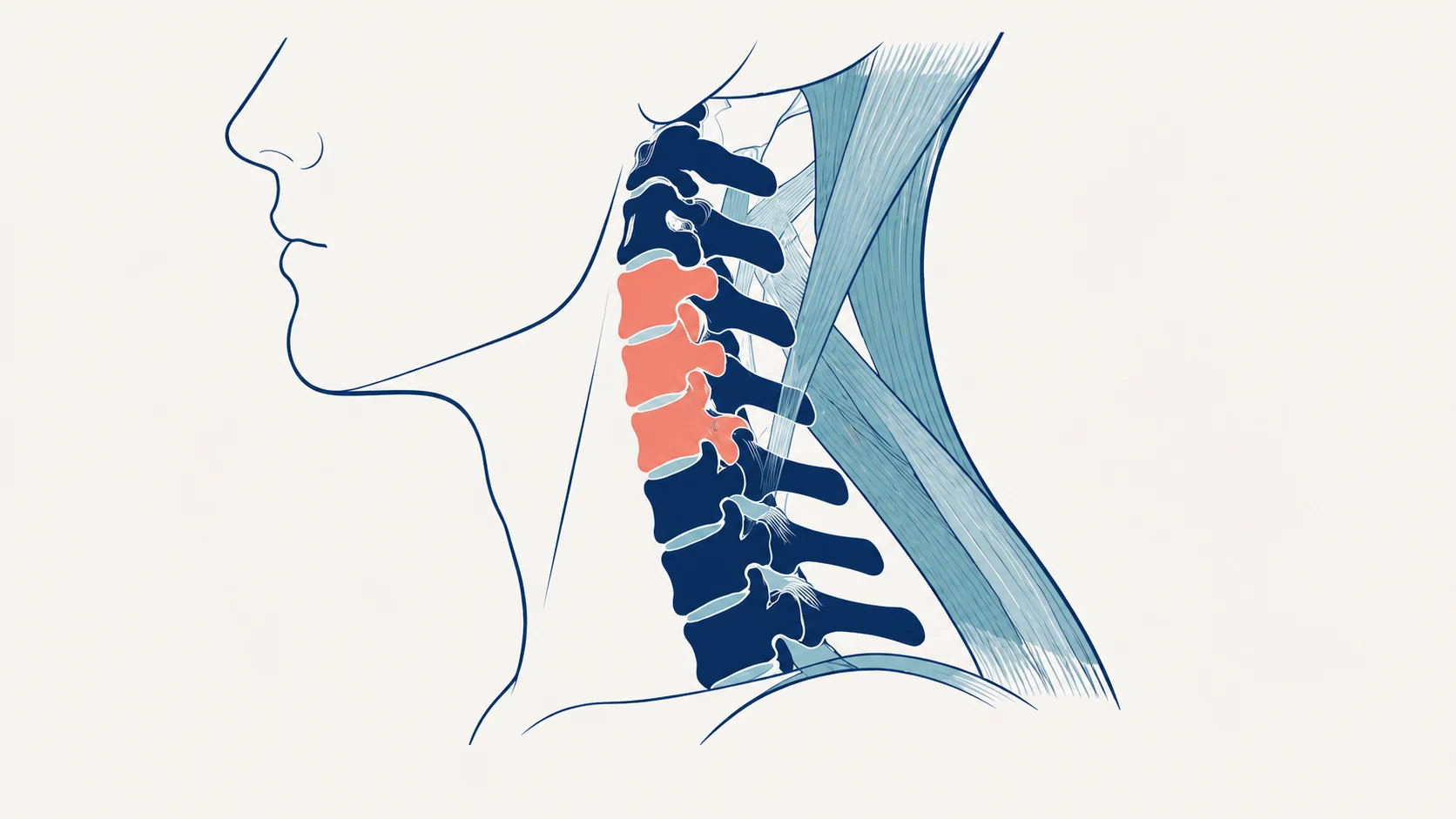
NHTSA's vehicle-safety research treats rear-impact head-and-neck motion as a real biomechanics problem. Its research describes head and neck kinematics in rear impacts and evaluates vehicle seats and head restraints partly around reducing neck-injury risk.
NHTSA: Biomechanics and rear-impact research
That engineering evidence supports asking about impact direction, occupant position, seat position, and head-restraint context. It does not support diagnosing whiplash from the phrase "rear-ended." Two people in similar-looking crashes can have different symptoms and findings, and the visible vehicle damage still does not identify the injured tissue.
The information gain on this page is the distinction between mechanism and diagnosis: crash mechanics tell the clinician what questions may be relevant; the medical history, examination, red-flag screen, and appropriate testing determine what care is reasonable.